
Luxury real estate in Los Angeles has never been defined solely by price. In a city shaped by identity, architecture, and lifestyle, two homes with nearly identical price points can offer entirely different versions of what it means to live well.
That contrast becomes especially clear when comparing neighborhoods like Cheviot Hills and Hancock Park — two communities that continue to represent distinct eras and philosophies of Los Angeles living.
At first glance, both neighborhoods sit comfortably within the city’s luxury market. Both are highly sought after, deeply residential, and lined with beautiful homes hidden behind mature landscaping and quiet streets. But beyond surface similarities, the experience of living in each place feels remarkably different.
Cheviot Hills embodies a more contemporary vision of Los Angeles luxury. Tucked into the Westside between Century City and Culver City, the neighborhood has long attracted buyers searching for privacy, space, and a slower residential rhythm without sacrificing proximity to the city’s core. Homes here often emphasize functionality as much as beauty — larger lots, open floor plans, expansive backyards, and seamless indoor-outdoor living that reflects the way Angelenos increasingly want to live today.
The Motor Avenue property captures much of that spirit. There is a comfort to the home that feels intentional rather than overly formal. The spaces are designed for gathering, entertaining, and everyday living. In many ways, Cheviot Hills represents a version of luxury rooted in ease — where the appeal lies not only in the home itself, but in the quiet confidence of the neighborhood around it.
Hancock Park offers something altogether different.
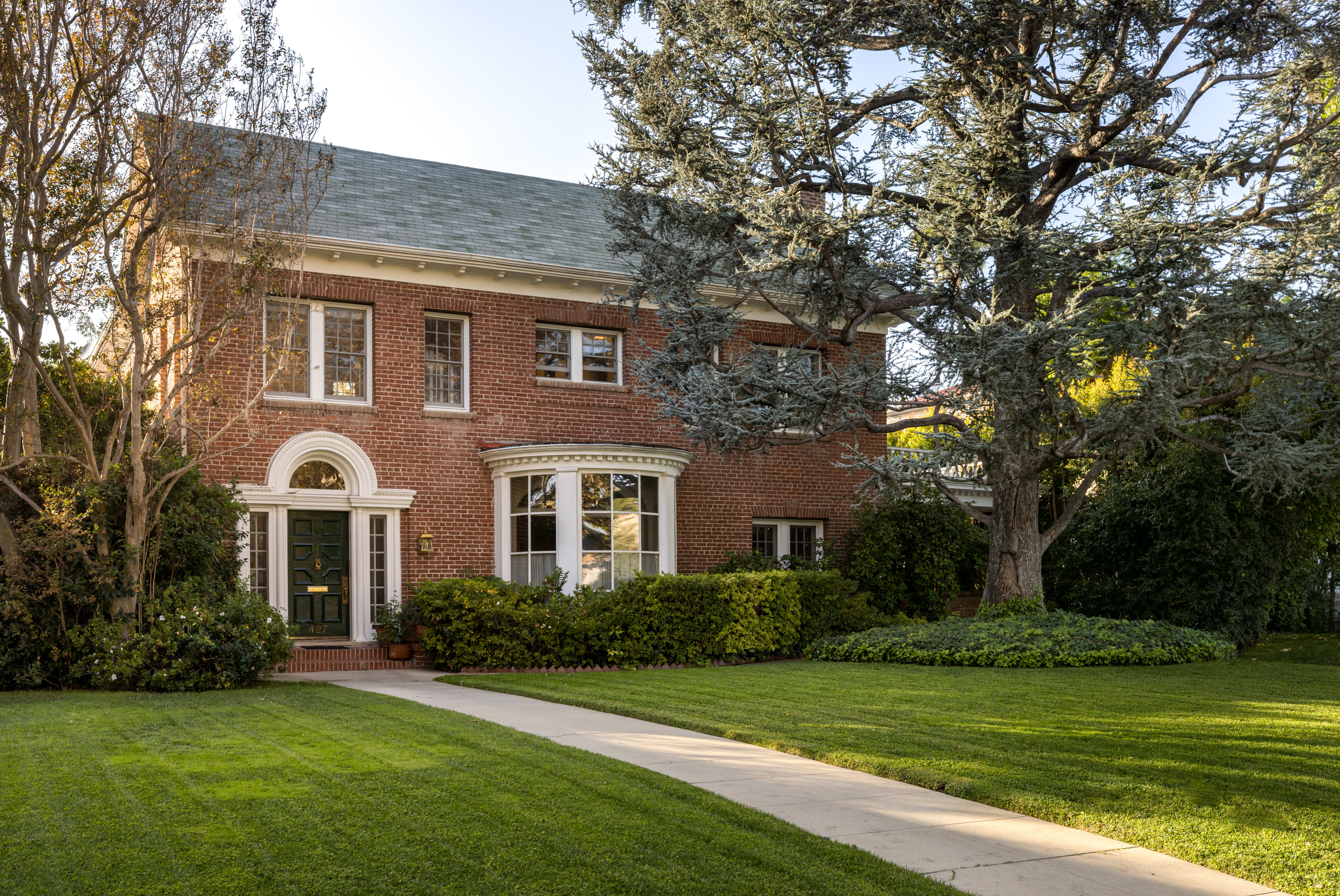
Where Cheviot Hills feels relaxed and contemporary, Hancock Park feels enduring. The neighborhood carries with it a sense of permanence rarely found in newer luxury enclaves across Los Angeles. Wide tree-lined streets, historic estates, and preserved architectural detail create an atmosphere that feels almost detached from the pace of the city surrounding it.
The Las Palmas property reflects the qualities that continue to define Hancock Park’s appeal: scale, elegance, and architectural integrity. Homes here are often valued not simply for modern amenities, but for craftsmanship and history — details that cannot easily be replicated. Living in Hancock Park is as much about participating in a legacy of Los Angeles architecture as it is about owning real estate.
There is also an emotional distinction between the two neighborhoods.
Cheviot Hills often appeals to buyers prioritizing lifestyle flexibility: growing families, outdoor living, proximity to the Westside, and a sense of privacy that still feels connected to modern Los Angeles. Hancock Park, meanwhile, tends to attract those drawn toward character, prestige, and the timelessness of classic architecture. One feels rooted in contemporary California living; the other feels tied to the city’s historical identity.
Neither lifestyle is inherently better. That is what makes Los Angeles real estate so compelling. In few other cities does a similar budget produce such dramatically different experiences of luxury.
Ultimately, the comparison between Cheviot Hills and Hancock Park says less about square footage or pricing, and more about what buyers value most. Some are drawn toward openness, modernity, and ease. Others toward history, elegance, and permanence. Both neighborhoods continue to endure because they offer something increasingly rare in Los Angeles: a strong sense of place.
And perhaps that is the true definition of luxury in the city today — not simply owning a beautiful home, but finding a neighborhood whose identity feels aligned with your own.